
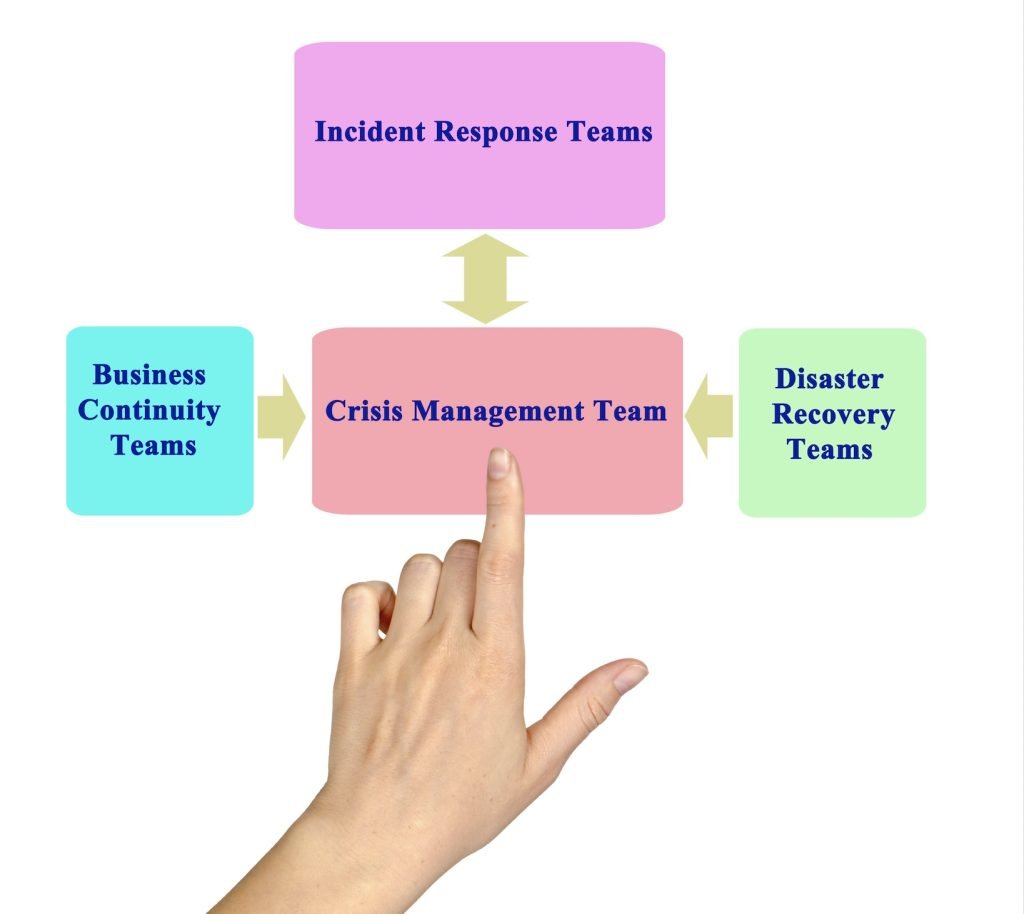
A recent review by risk and resilience firm Battleground found that crisis exercises keep breaking down in the same four places. The team looked at roughly 40 crisis and business continuity exercises across nearly 20 Australian financial services firms over 18 months. The same problems kept showing up:
- Tolerances get forgotten. Teams check the response-time clock early on, then lose track of it as the exercise unfolds.
- No one owns the room. The coordinator role is either undefined or inconsistent, so the person chairing ends up running logistics instead of holding the strategic view.
- Decision rights run out. Plans name approvers for a handful of calls and leave everything else to wait on one person — who isn’t always available.
- Supplier response is untested. Contracts are solid; escalation paths and joint response plans with suppliers rarely are.
Battleground’s fix: discipline, not budget. Name the clock owner. Define the coordinator once. Write down who can commit. Put suppliers in the room.
There’s another gap worth watching, too. Crisis communication expert Philippe Borremans argues that these four gaps are really governance failures — and each one has a communication twin that often goes untested. If nobody owns the tolerance clock, nobody owns the clock on the first holding statement. If decision rights stop short, “who’s cleared to talk to media?” may not be documented either. And if a supplier’s response has never been rehearsed, neither has the question of whether your spokesperson and theirs would describe the incident the same way.
Borremans makes the important point that continuity and communication are different disciplines testing different failure modes. An organization can pass every operational check and still fail to communicate with speed and transparency.
For your next exercise, treat the spokesperson role with the same seriousness as the incident commander role. Decide who is authorized to speak. Then time the first holding statement against a tolerance, the same way you would time operational recovery.
