
The incident may make the headlines, but your response shapes what happens next. A defensive statement, an insensitive gesture or a public argument can create

The incident may make the headlines, but your response shapes what happens next. A defensive statement, an insensitive gesture or a public argument can create
ICM has long championed research that helps communicators make smarter strategic decisions. That’s why we’re supporting the RiskComms Global Outlook, a personal initiative led by
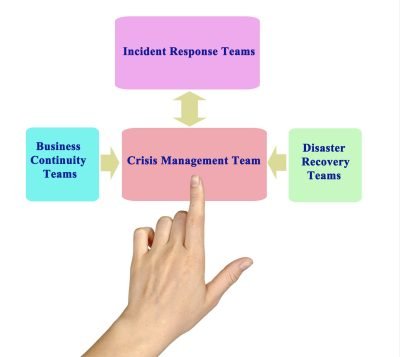
A recent review by risk and resilience firm Battleground found that crisis exercises keep breaking down in the same four places. The team looked at
In our July newsletter, we shared ideas for building a deepfake detection and response toolkit. This month, we’re adding a simple checklist you can use

A data breach is difficult enough. But when stakeholders believe an organization delayed disclosure, minimized the impact, or withheld material information, the communications response can

A lot of organizations still think unsanctioned AI use is mostly a policy issue. The bigger problem is that it’s already happening, and often at
A data breach is difficult enough. But when stakeholders believe an organization delayed disclosure, minimized the impact, or withheld material information, the communications response can
A lot of organizations still think unsanctioned AI use is mostly a policy issue. The bigger problem is that it’s already happening, and often at

When a deepfake, rumor, or misleading post starts spreading, scattered emails and texts can make things worse. The team needs one place to capture the

Most crises do not start with a headline. They start as small signals: repeat complaints, unresolved employee concerns, management behavior, quality issues, supplier problems, or

Cybercrime topped ICM’s 2025 Annual Crisis Report, accounting for 25.44% of more than 1.2 million crisis news items tracked. That is a big signal for

When Extreme Weather Tests Your Safety Culture Extreme weather is no longer just a disaster-response issue. Extreme heat, storms, earthquakes, fires and other severe-weather disruptions

Synthetic media is moving quickly, and a basic response plan can keep your team from scrambling when questionable content appears. The toolkit does not need
Mid-2026 is a good moment to take a hard look at organizational trust. Global surveys continue to show low confidence in news and institutions, which

Deepfakes and synthetic media are no longer fringe concerns—they’re everyday risks. Audio, video, and images can now be fabricated or altered so convincingly that most
We’re excited to share the ICM Annual Crisis Report 2025, now in its 36th edition. This year’s report looks at 1,232,103 crisis news items—an 8%
